CLINICAL
Medical implants in service
Commercial medical implant systems and their external reader or therapeutic ecosystems.
Explore chapter →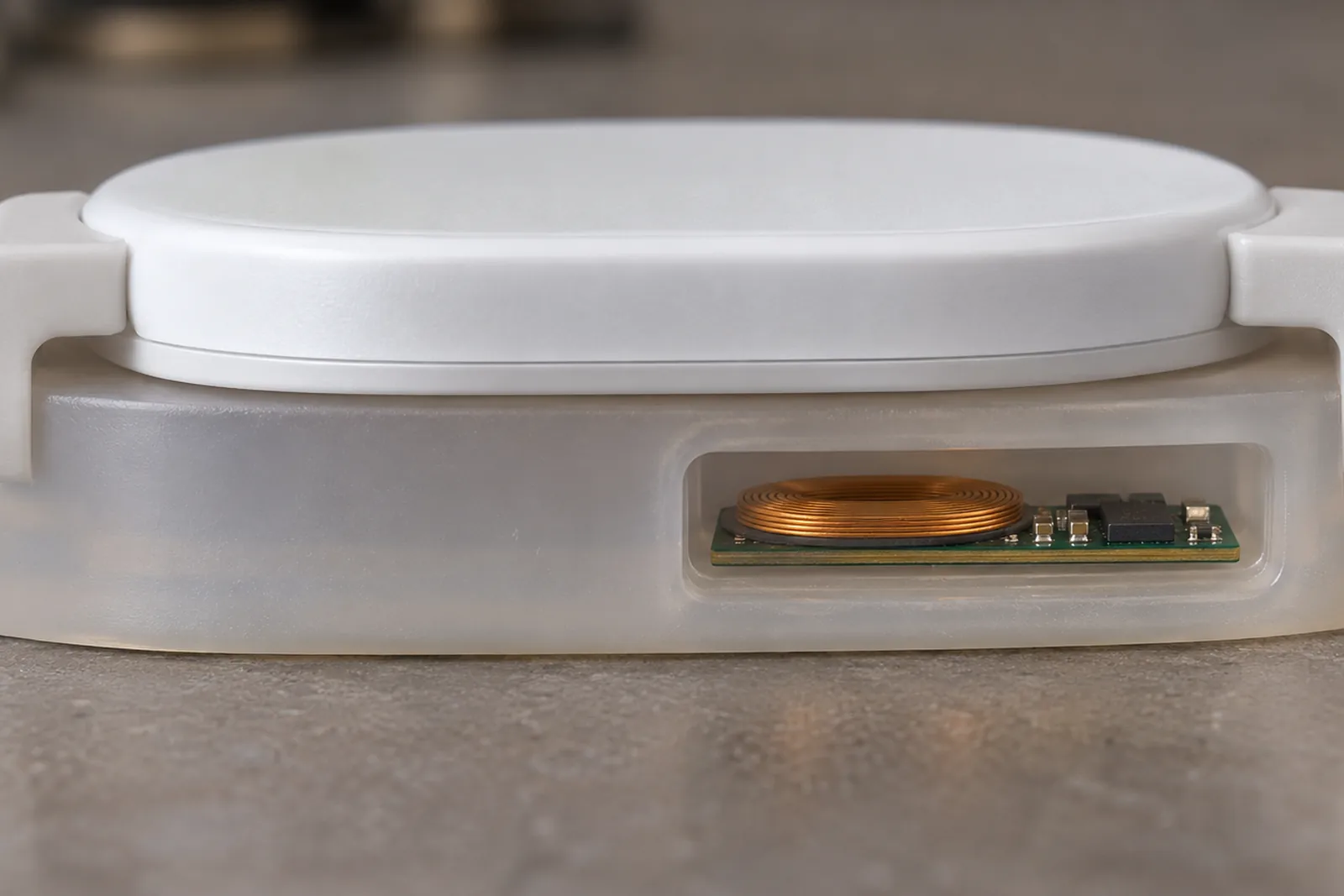
Delivering energy through tissue without a permanent physical lead.
Explore this chapter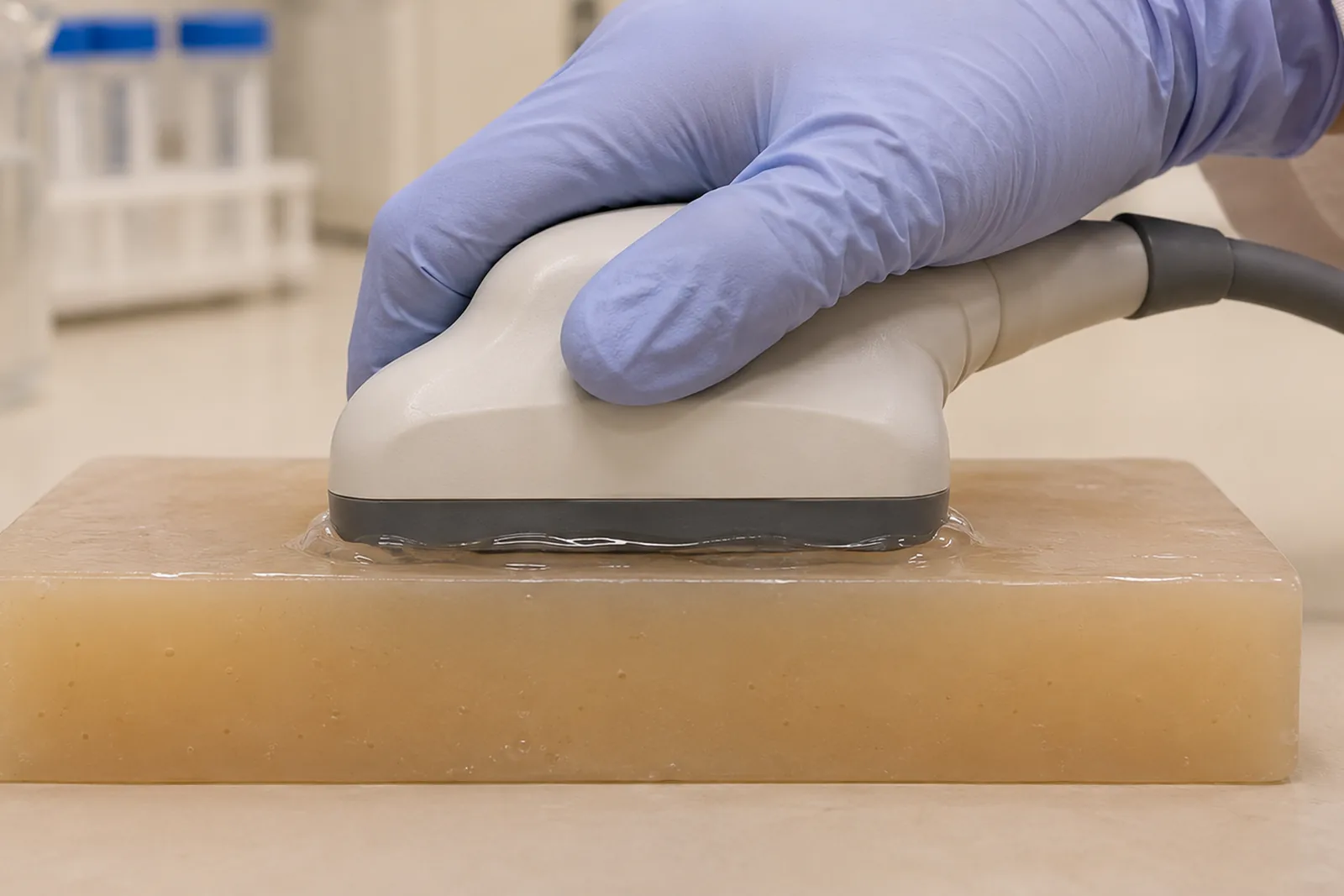
Using sound waves as a physical link to miniature electronic systems.
Explore this chapter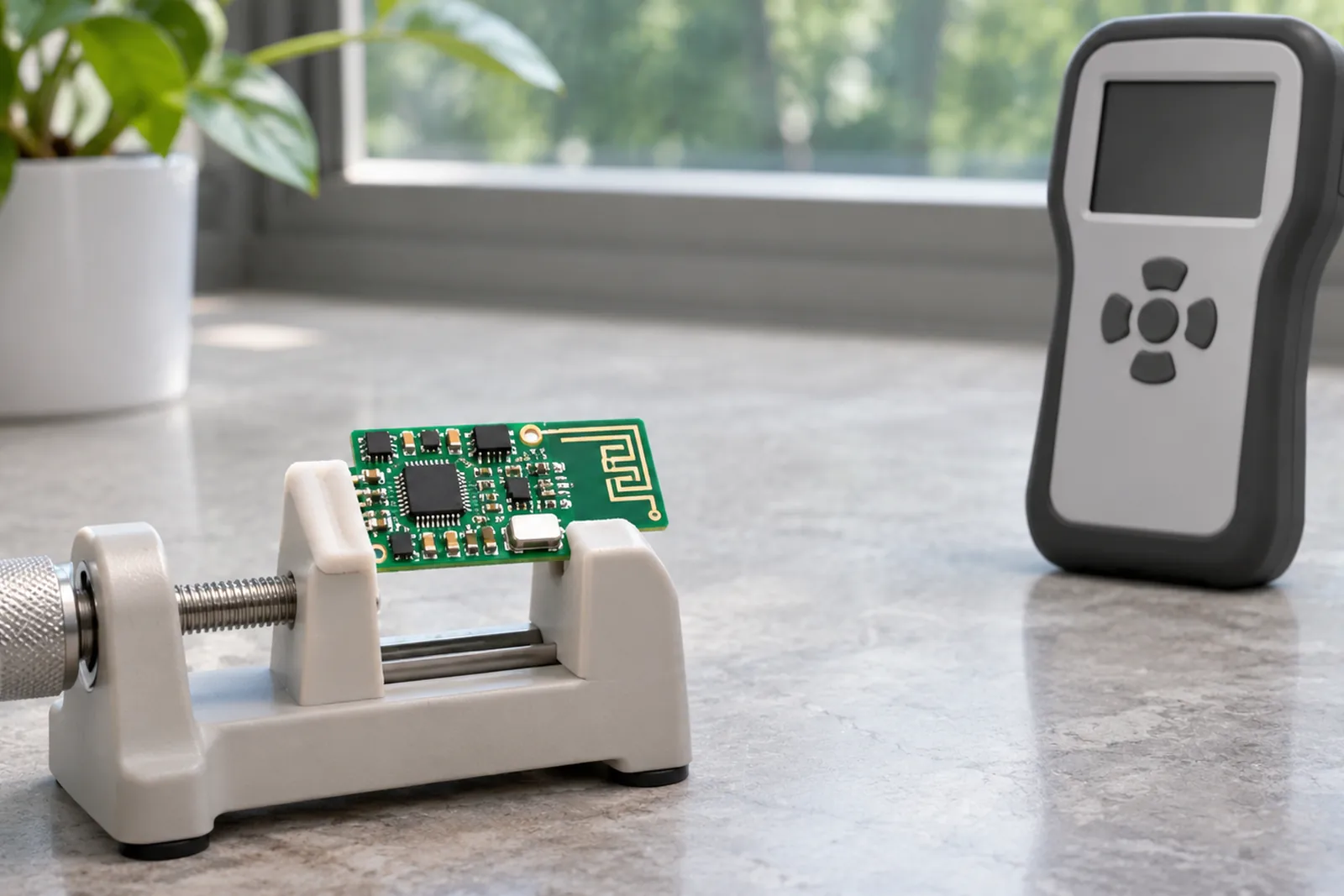
Reliable communication across a tissue boundary, not just a radio on a circuit board.
Explore this chapter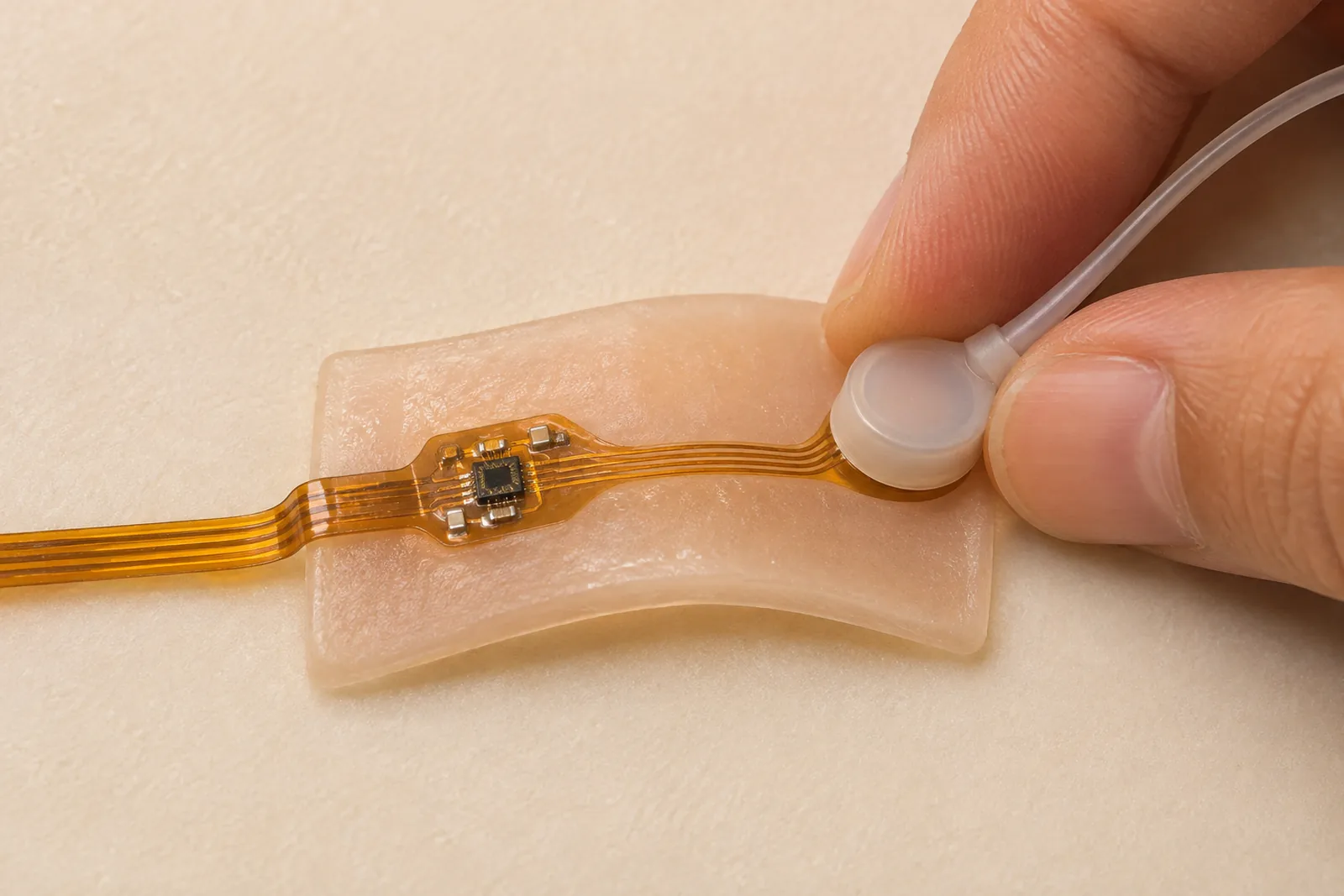
Light-based data transfer at the boundary between external devices and implants.
Explore this chapter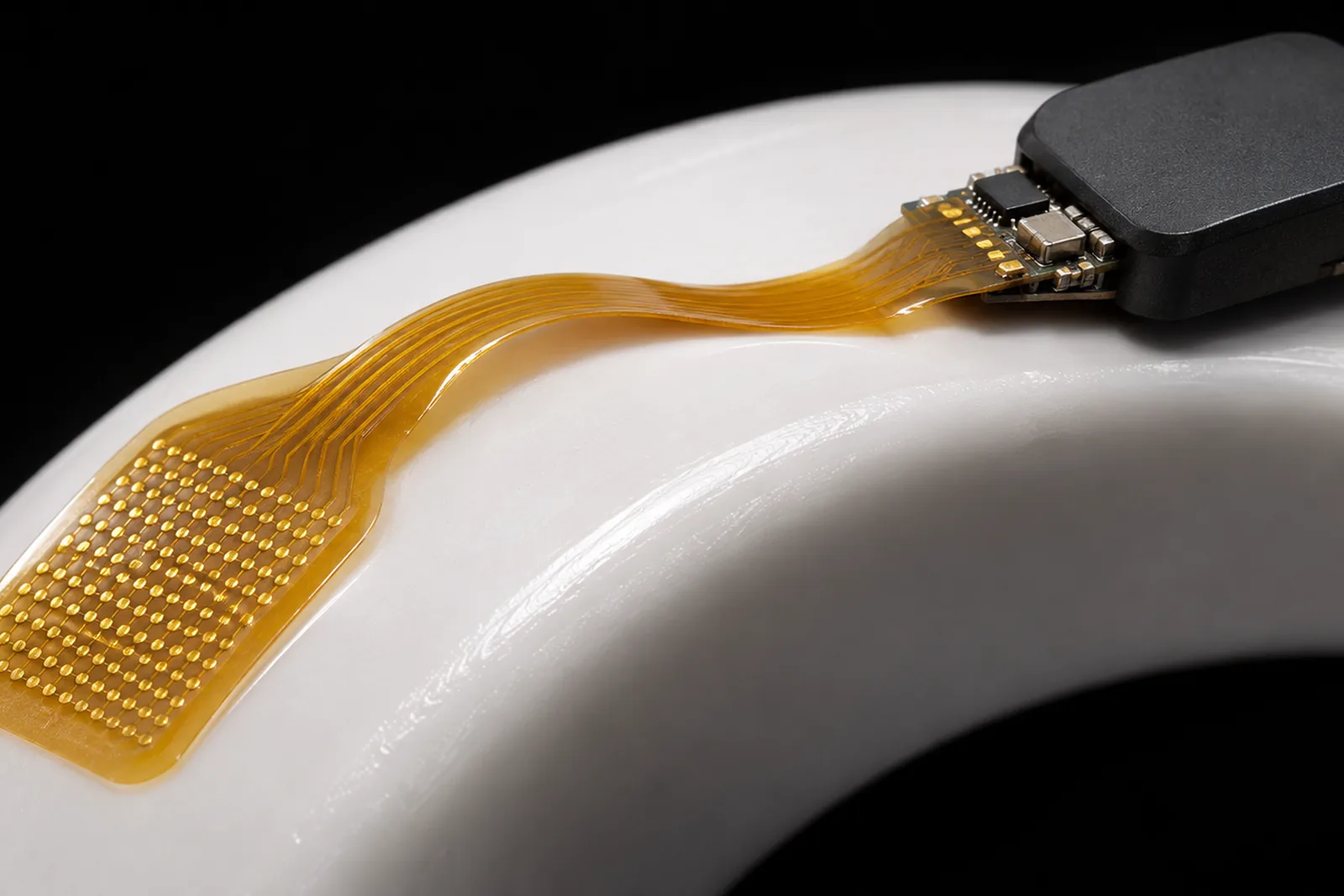
Designing neural interfaces around power, signal quality and dependable data movement.
Explore this chapter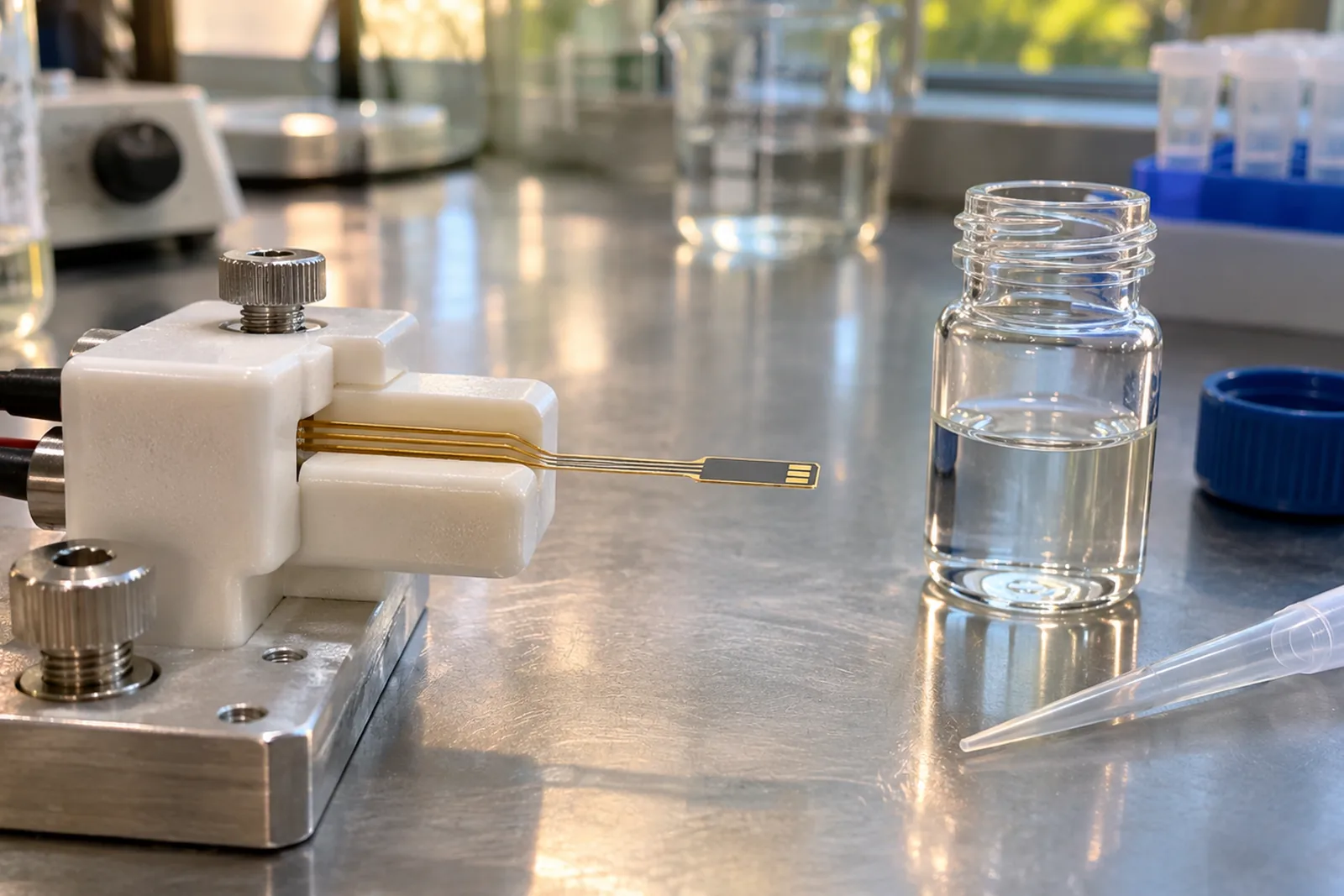
Turning a local biological measurement into trustworthy transmitted data.
Explore this chapter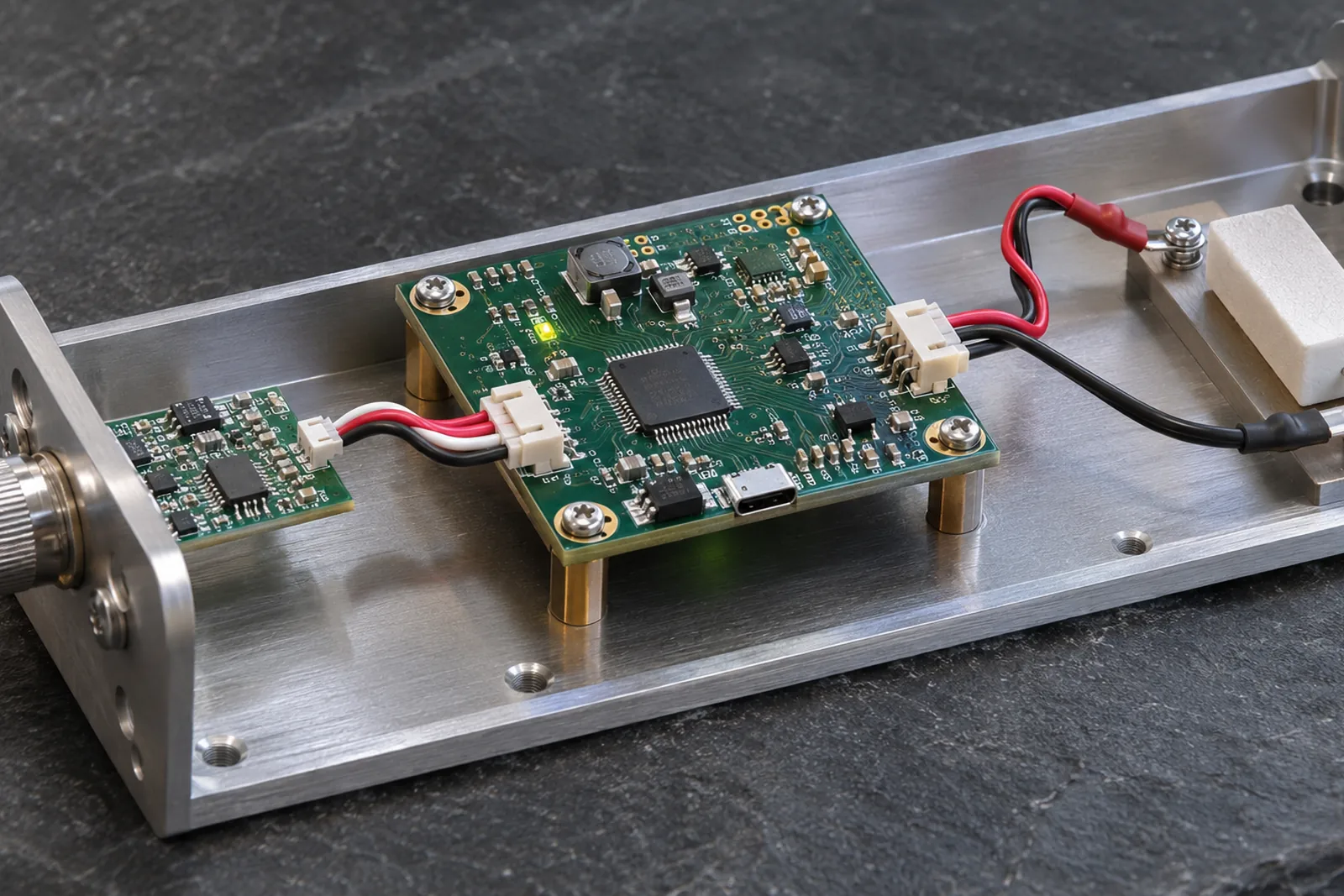
From recorded information to controlled therapeutic action.
Explore this chapter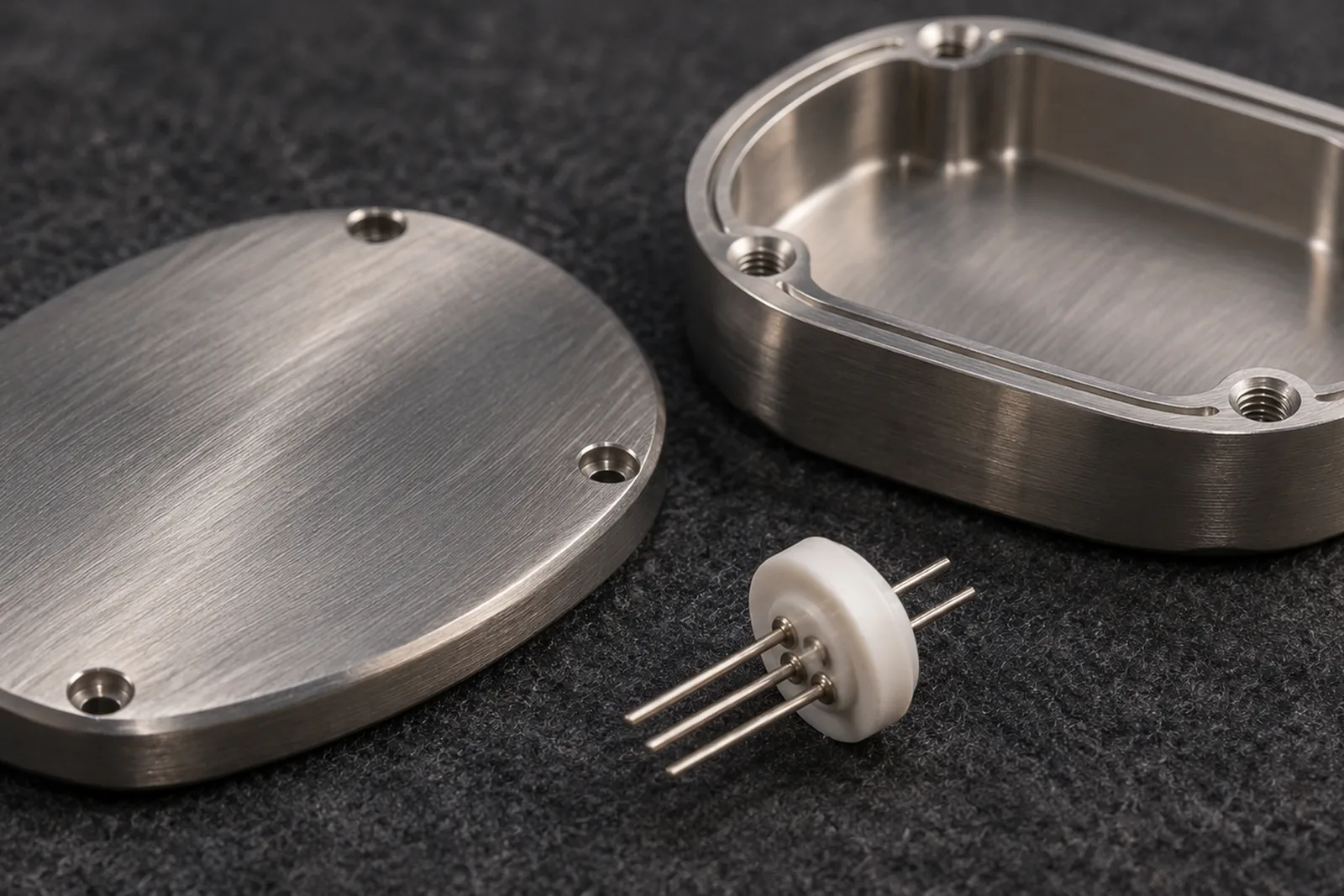
For a working implant, packaging is part of the electronics.
Explore this chapter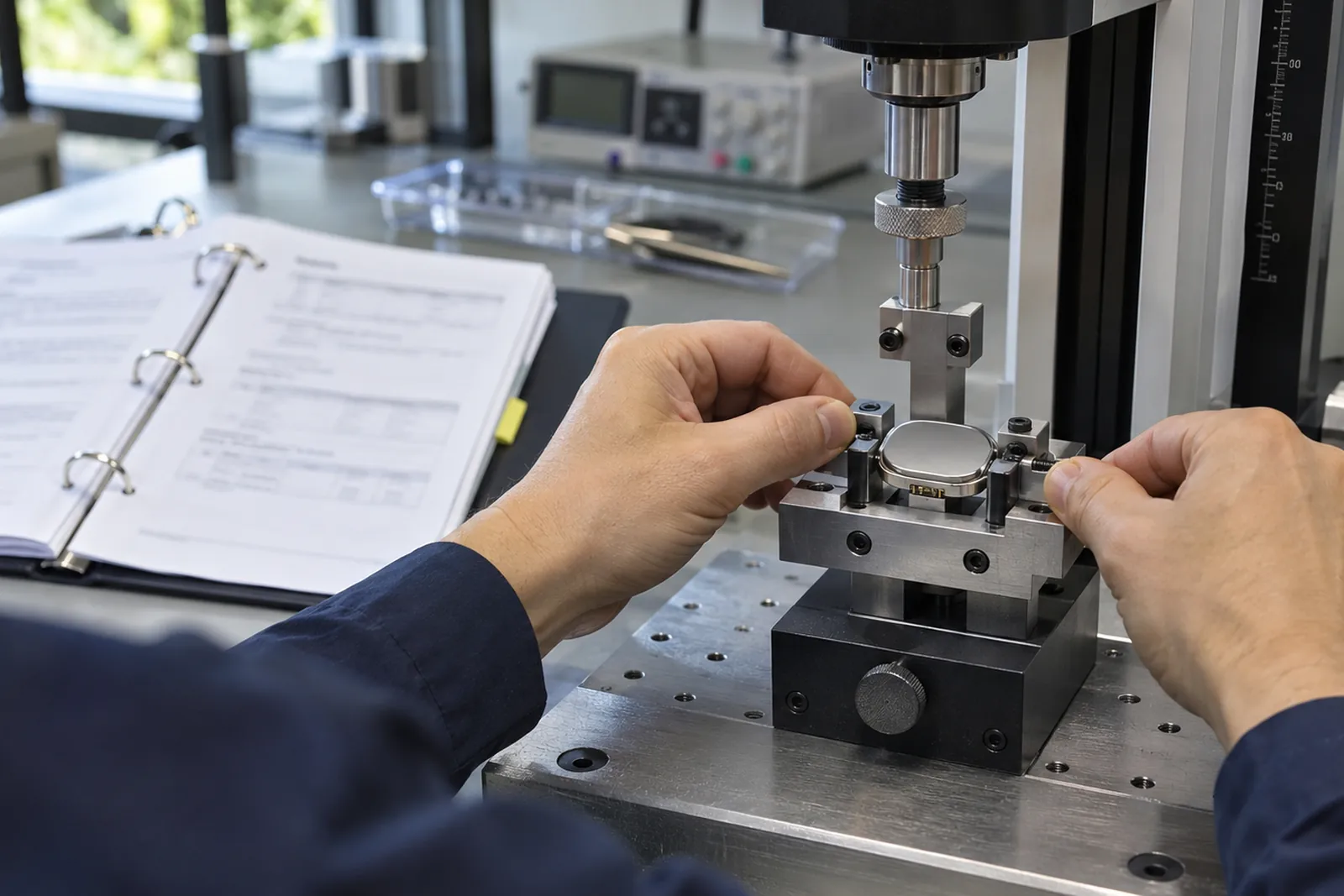
Turning a laboratory device into a dependable system in its intended setting.
Explore this chapter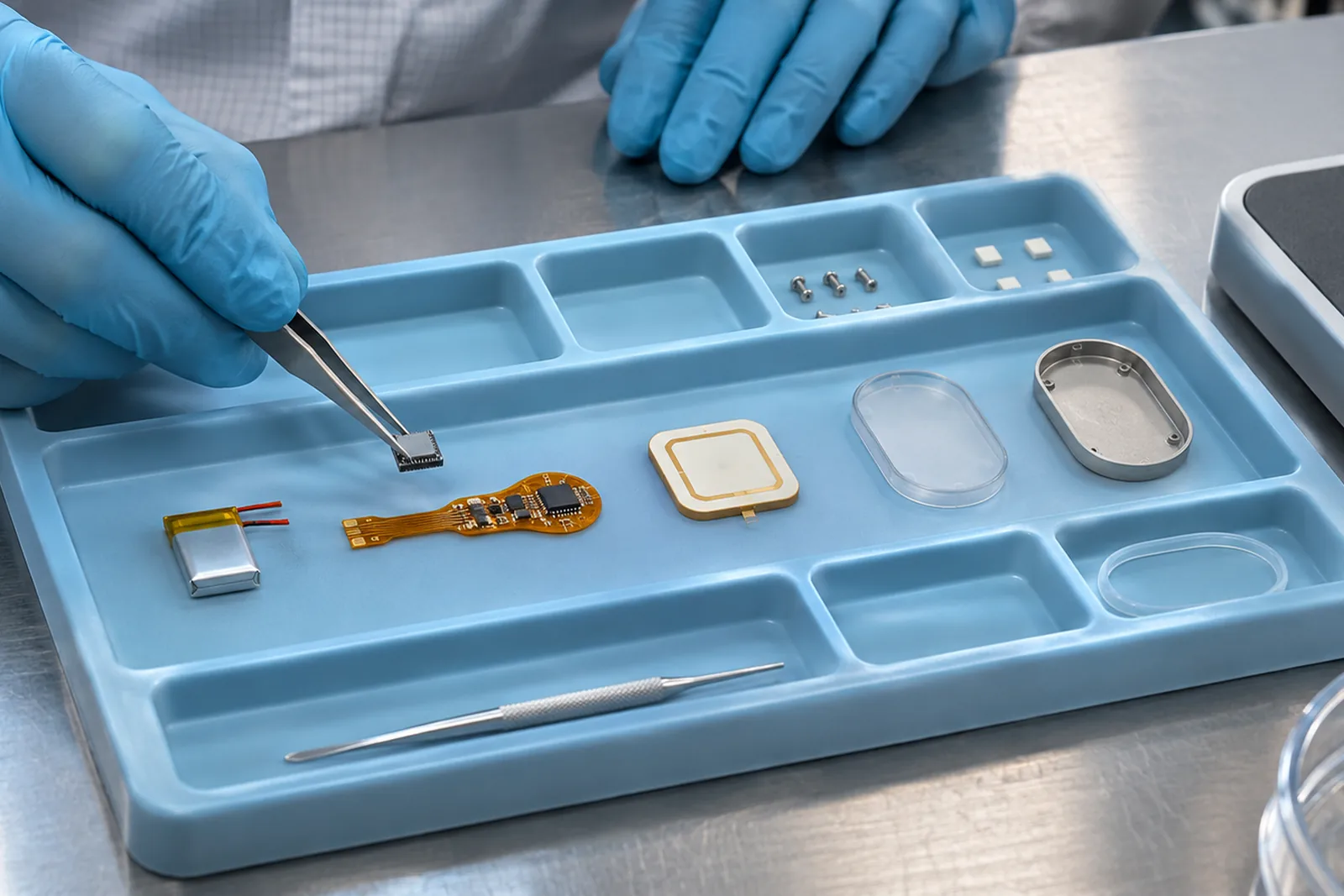
The hardest design decisions sit at the interfaces between disciplines.
Explore this chapterExplore deployed implant systems and adjacent embedded wireless technology across living and engineered environments.
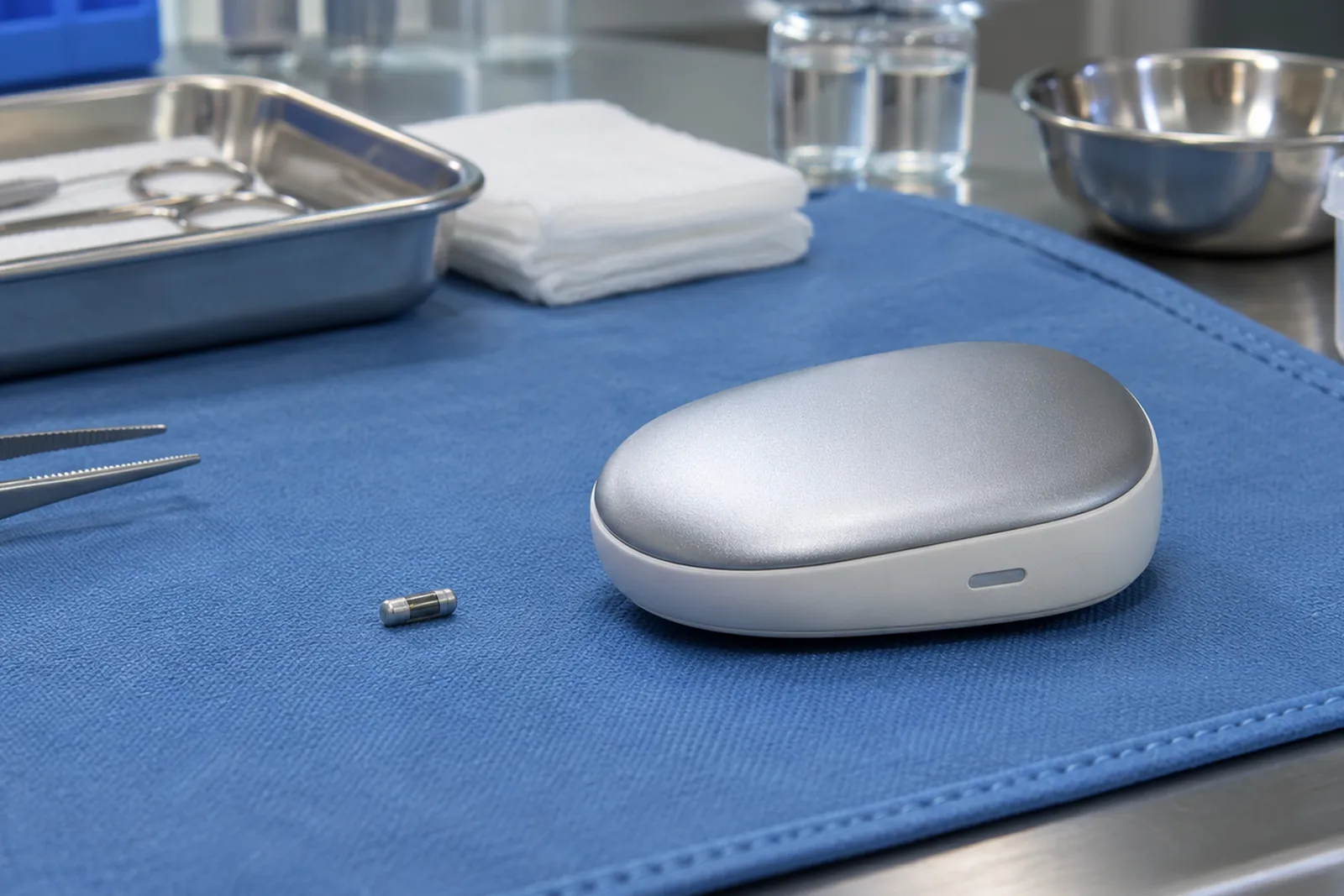
Real product classes already transmit measurements and instructions from implanted hardware.
Explore this chapter
Passive identification, retained livestock sensors and underwater acoustic telemetry.
Explore this chapter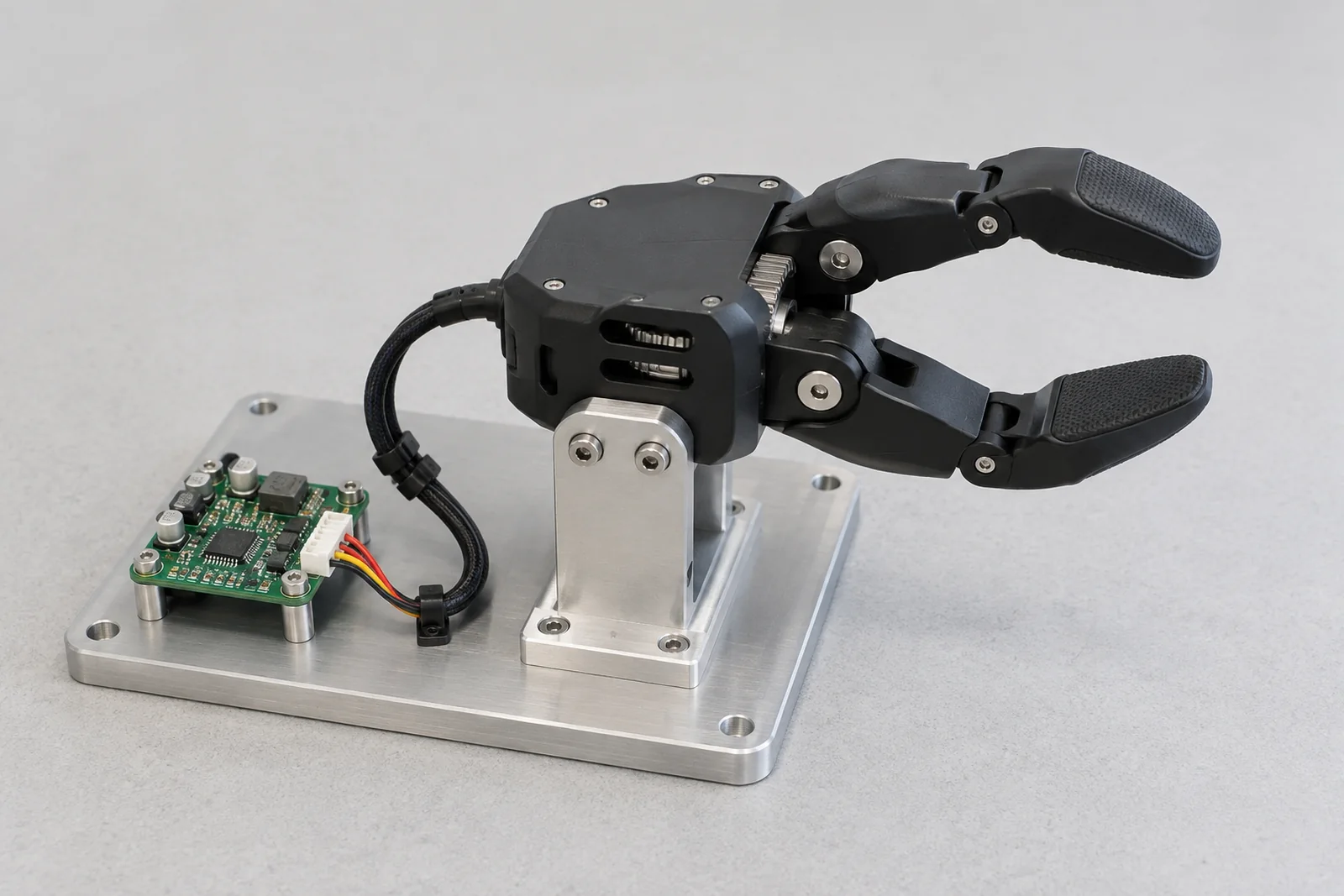
Signals originating inside the body can guide external assistive and robotic devices.
Explore this chapter
Monitoring installed within machinery and infrastructure, distinguished from biological implants.
Explore this chapterWHERE SYSTEMS ARE DEPLOYED
Beyond component engineering, these chapters trace how implantable and embedded wireless technology is used in human health, veterinary care, conservation, prosthetics and engineered structures.
CLINICAL
Commercial medical implant systems and their external reader or therapeutic ecosystems.
Explore chapter →ANIMAL SYSTEMS
Passive RFID, underwater acoustic transmitters and livestock monitoring boluses.
Explore chapter →PROSTHETICS
Implanted muscle and neural sensing connected to external prosthetic control.
Explore chapter →INDUSTRIAL
Wireless embedded sensing in concrete and other host materials.
Explore chapter →CLINICAL AND RESEARCH CONTEXT
The same engineering foundations can support very different development programs, each with its own risk and evidence requirements.
Neural recording, stimulation and BCI work brings data bandwidth, signal fidelity and power into direct competition.
Explore neural interfaces →Oxygenation and metabolic-sensor research emphasizes calibration, drift and reliable measurements over time.
Explore implanted sensors →Closed-loop systems bring together trustworthy sensing, bounded decision logic and dependable actuation.
Explore therapeutic systems →